Have you had a check-up recently?
In London, 55.7% of people have not seen a dentist in the last 24 months. The highest figure in the country. Skipping those crucial dental check-ups during the pandemic has had a huge knock-on effect on us all—one that can lead to more than just a toothache. Let’s delve into gum disease…
What is gum disease?
Gum disease, also known as gingivitis or periodontitis, is a common condition where the gums become swollen, sore, or infected.
If you are suffering from gingivitis, your gums may appear red and swollen and will bleed, particularly during brushing or flossing. This is due to inflammation along the gumline. The individual may also experience a bad taste or persistent mouth odour for a prolonged period of time. Frequent white spots or large amounts of plaque on the gums are also tell-tale signs of gum disease.
How does it occur?
There are multiple stages of gum disease. In simple terms, it is an infection of the tissues that hold your teeth in place. This is typically a result of poor or a lack of brushing of the teeth and a lack of interdental cleaning/flossing that creates plaque buildup on your teeth that hardens.
Gingivitis: This is the reversible stage of Gum disease, where the swelling and redness begin. Only the gums are involved.
Periodontitis: This derives from the word periodontal, which means “around the tooth” and refers to the structures that surround and support teeth. The second stage involves the bone around the tooth. You lose bone and pockets open up between your gum and tooth.
Other complications include a bad taste, mobile teeth and receding gums.
Who Does It Affect?
Gum disease has the potential to affect anyone of all ages.
Several risk factors that can increase the chances of periodontal diseases include smoking, poor oral hygiene, diabetes, medication, age, hereditary links, and stress.
According to BUPA, it has been concluded that over 90% of adults in the UK have some form of gum disease, even if only a small amount.
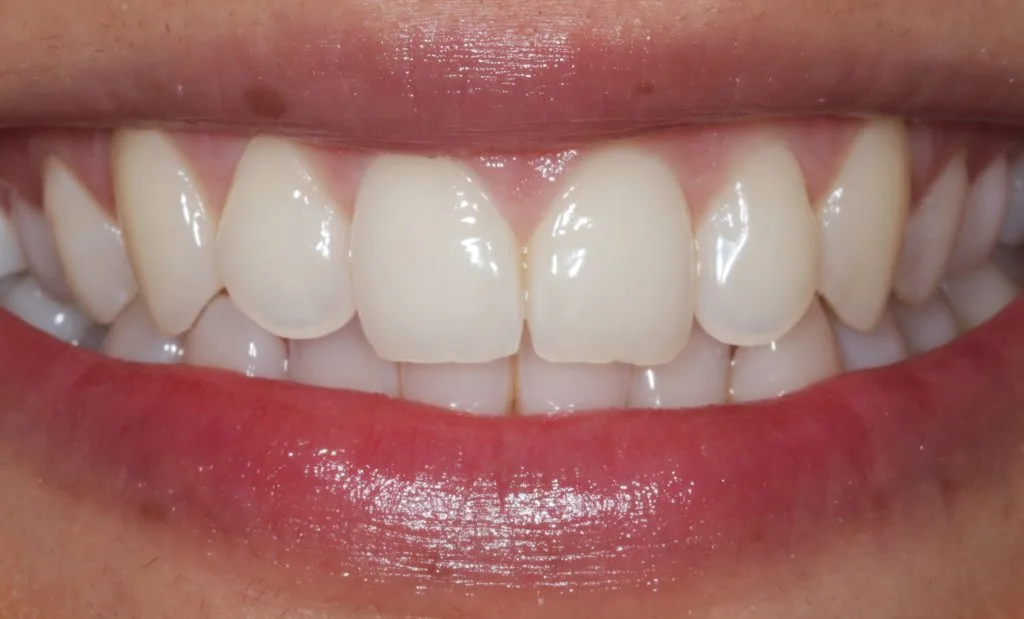
What Do Healthy Gums Look Like?
Healthy gums will appear pink and firm. They will not bleed when you brush or floss, nor will they feel sensitive or swollen when brushing, flossing or eating certain foods.
Natural Ways to Prevent Gum Disease
The good news is that it can be prevented!
- Brush your teeth twice a day and ensure to clean between your teeth too.
- Consider using an electric toothbrush to maximise your cleaning.
- Clean between your teeth using interdental brushes or floss daily.
- Visit your dentist regularly for a check-up and any maintenance as needed.
What are the benefits of treating periodontal disease?
It starts with Gum Disease, but it can get a lot worse if you don’t follow up with proper, effective treatment. Gum Disease has proven to be linked to dangerous health problems in other parts of your body and can increase your risk of
If treated correctly, the corresponding reductions in hospital admissions are:
- 39% in diabetes patients
- 29% in heart disease patients
- 21% in stroke patients
What Treatments Do We Offer?
Here is a list of the relevant consultations and treatments that we offer to help you fight Gum Disease:
Periodontal Consultation
The first appointment will always be a periodontal consultation. This will involve a comprehensive discussion to ensure we are aware of your personal concerns and aims of treatment. This will be followed by a detailed periodontal examination, which involves measuring the position of the gums and determining whether or not spaces (pockets) have opened up between the gums and the teeth.
Non-Surgical Periodontal Therapy
If you have been diagnosed with periodontitis, then treatment will usually begin with non-surgical periodontal therapy. Treatment will only work with good home care and so an important part of this treatment is us giving you tailored oral hygiene instructions. The bacteria and ‘build-up’ under the gum line and within the pocket are then removed through a technique called root surface debridement. This is usually carried out under local anaesthetic to ensure you are comfortable throughout the process. The aims of this treatment are to reduce the depth of the pockets and increase the ability to maintain good oral hygiene in the area.
Pocket Reduction Surgery
If the pockets are not reduced with non-surgical periodontal therapy then surgery may be suggested. This will involve reshaping the gums and bone. Sometimes, bone regenerative materials (synthetic/human/animal derived) may be placed around the teeth.
Gum Recession
Several methods are available to treat gum recession and to reverse it in most cases. At RW Perio, we perform gum grafts, which require pulling the gum down over the receded area and/or taking a small piece of tissue from the roof of your mouth. The graft will improve not only the appearance of the gums but also the thickness.
How Can I Make My Gums Healthy Again?
Creating a routine for oral hygiene that you can follow every morning and night is the first step. In order to keep your gums healthy, consistency is key. Follow the steps above to maintain healthy gums, stick to your routine religiously and try to cut down on sugary foods and drink as much as possible.
We want you to feel confidence in your smile.
Want to take the next step with us?
RW Perio is a specialist private practice dedicated to the treatment of periodontal (gum) diseases, in a comfortable and caring environment. As a leading periodontist in London, our aim is to assist every patient to achieve and maintain optimal gum health.
If you have any concerns about your oral health, you can book an appointment with us or give us a call at our specialist clinic located on 75 Harley Street.
Get in touch with us today or Try Our Online Gum Health Check now!
Ready to read more? Take a look at our other blogs if you are interested in learning further about dental care.
Follow us on our socials to stay up to date with the latest news and posts:
Bleeding gums are often an indication of gum disease, which can cause severe problems if left untreated.
It’s important to understand what your bleeding gums may be trying to tell you about your oral health and how to take steps to maintain healthy gums and teeth.
What is Gum Disease?
Gum disease is a common condition that affects the soft tissues of the mouth, including the gums, tongue, and cheeks. It is caused by bacteria in plaque, which is a sticky film that forms on teeth. When plaque is not removed, it hardens into tartar, which can lead to inflammation and infection in the gums.
There are two stages of gum disease:
Gingivitis
This is the early stage of gum disease, characterised by red, swollen, and bleeding gums. At this stage, the damage can be reversed with proper oral hygiene and regular visits to the dentist.
Periodontitis
If gingivitis is left untreated, it can progress to periodontitis. This is a more advanced stage of gum disease, where the infection has spread to the supporting tissues and bones around the teeth. In severe cases, periodontitis can lead to tooth loss.
What Causes Gum Disease?
The most common cause of gum disease is poor oral hygiene. When plaque is not removed, it can harden into tartar, which cannot be removed by brushing and flossing alone.
Other factors that can contribute to gum disease include:
- Smoking or using other tobacco products
- Genetics
- Hormonal changes, such as those during pregnancy or menopause
- Certain medications, such as anti-depressants and anti-epileptics
- Chronic diseases, such as diabetes and heart disease
What are the Symptoms of Gum Disease?
The symptoms of gum disease can vary depending on the stage of the condition.
In the early stages, symptoms may include:
- Red, swollen, or bleeding gums
- Bad breath
- Receding gums
- Tooth Sensitivity
- In more advanced stages, symptoms may include:
- Loose teeth
- Changes in the bite or the way teeth fit together
- Pus or discharge from the gums
- Painful chewing
- If you are experiencing any of these symptoms, it’s important to visit a periodontist or dentist as soon as possible.
Why is Gum Health Important?
Maintaining healthy gums is important not just for your oral health, but also for your overall health. Studies have shown that there is a link between gum disease and other health conditions, such as diabetes, heart disease, and stroke.
In addition to reducing your risk of other health problems, maintaining healthy gums can also help you avoid more costly and invasive dental procedures down the road.
How to Maintain Healthy Gums
Maintaining healthy gums starts with proper oral hygiene. This includes brushing your teeth at least twice a day with fluoride toothpaste, flossing at least once daily, and using an antiseptic mouthwash.
In addition to these basic habits, there are a few other things you can do to promote gum health:
- Quit smoking or using tobacco products
- Limit your consumption of sugary and acidic foods and drinks
- Visit a periodontist or dentist for regular check-ups and cleanings
- Consider using an electric toothbrush, which can be more effective at removing plaque than a manual toothbrush
Apply Routine Check
Bleeding gums may be a sign of gum disease, which can lead to serious oral health problems if left untreated. By understanding the symptoms of gum disease, its causes, and how to maintain healthy gums, you can take steps to protect your oral and overall health. Remember to visit your specialist periodontist here at RW Perio or dentist regularly for check-ups and cleanings, and to practice daily dental hygiene at home.