Can Gum Disease Come Back After Treatment? Why Periodontal Maintenance Matters
20 November 2026
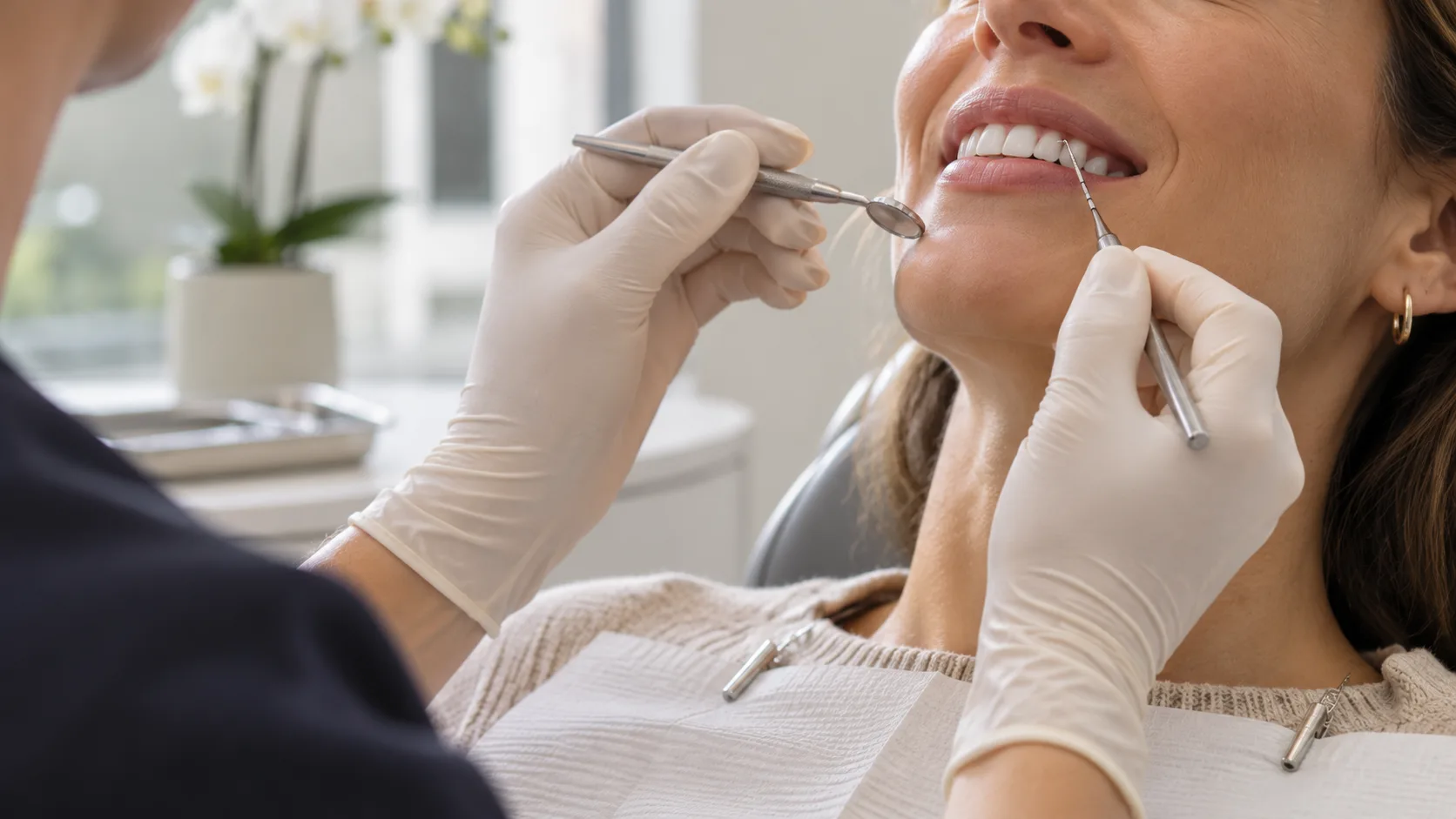
Completing periodontal treatment is an important milestone.
For many patients, treatment reduces inflammation, improves the health of the gums and helps stabilise the tissues supporting the teeth. Bleeding may reduce, the gums can feel more comfortable and the mouth may become much easier to keep clean.
But successful treatment does not mean gum disease can simply be forgotten.
Periodontitis is a chronic inflammatory condition. Once someone has developed it, they remain more susceptible to future problems than someone who has never had the disease.
That is why long-term periodontal maintenance matters.
The aim is not to repeat treatment indefinitely. It is to protect the stability that treatment has achieved, identify changes early and reduce the risk of further damage.
Can periodontitis return after treatment?
Yes.
Periodontal treatment can bring active disease under control, but it does not permanently remove a person’s susceptibility to periodontitis.
The European Federation of Periodontology describes supportive periodontal care as an essential part of treatment after active therapy, with the aim of preventing recurrence or progression of disease.
This distinction is important.
A patient may have completed treatment successfully and have healthy, stable gums at that point in time. However, plaque can build up again, inflammation can return and previously stable areas can deteriorate if they are not monitored and maintained.
The objective is therefore long-term stability rather than a one-off cure.
Why are some people more likely to experience a recurrence?
Periodontitis develops through an interaction between bacterial plaque and the body’s inflammatory response.
Some people are more susceptible to the disease than others, which means the risk does not disappear simply because the initial inflammation has been treated.
Factors that can influence future periodontal risk include:
- how effectively plaque is controlled at home
- smoking
- diabetes, particularly when poorly controlled
- the severity of the original periodontal disease
- areas where deeper periodontal pockets remain
- the amount of previous bone loss
- individual susceptibility
- attendance at recommended maintenance appointments
This is why two people who have completed similar periodontal treatment may require different follow-up schedules.
Maintenance should be based on individual risk rather than a fixed timetable for everyone.
What is periodontal maintenance?
Periodontal maintenance, sometimes called supportive periodontal care, is the long-term phase of periodontal treatment.
At RW Perio, Maintenance is designed for patients whose active disease has been treated and who now need ongoing professional care to help maintain periodontal stability.
These appointments are not simply routine cleans.
They are an opportunity to assess whether the gums remain stable and identify areas that may need additional attention before significant progression occurs.
Depending on your individual needs, a maintenance appointment may include:
- checking gum health and inflammation
- measuring selected periodontal pockets
- monitoring bleeding
- assessing changes in recession or tooth mobility
- removing plaque and deposits from areas that are difficult to clean
- reviewing home-care techniques
- reassessing risk factors
- monitoring previously affected teeth
- identifying any areas that may require further periodontal treatment
The European Federation of Periodontology recommends regular supportive periodontal care following successful treatment, with the interval tailored to the patient’s periodontal condition and risk profile.
How often do you need periodontal maintenance?
There is no single interval that suits everyone.
For many patients with a history of periodontitis, appointments may initially be recommended every three to six months.
However, the frequency depends on factors such as:
- how advanced the disease was
- how stable the gums are following treatment
- how effectively plaque is controlled
- smoking status
- diabetes
- the presence of residual periodontal pockets
- previous tooth loss
- how consistently previous maintenance appointments have been attended
The EFP’s clinical guidance recommends that supportive periodontal care is tailored to individual risk, with maintenance intervals typically ranging from three to twelve months after active treatment.
This may also change over time.
If your gums remain stable and your risk is well controlled, the interval may be adjusted. If inflammation begins to return, appointments may need to become more frequent.
What happens if maintenance is missed?
Missing one appointment does not mean periodontitis will immediately return.
The concern is what happens over time.
Periodontal disease can progress with relatively few symptoms, particularly in its earlier stages. A patient may therefore feel that everything is fine while inflammation or deeper pocketing is beginning to develop again.
Regular maintenance provides opportunities to identify these changes before they become more difficult to manage.
The NHS advises regular dental attendance and daily plaque control as important parts of preventing and managing gum disease.
For someone who has already experienced periodontitis, professional monitoring becomes particularly important because the tissues have previously demonstrated susceptibility to disease.
Does maintenance mean treatment has failed?
No.
This is an important misconception.
Needing maintenance after periodontal treatment does not mean the original treatment was unsuccessful.
The same principle applies to many long-term health conditions. Treatment stabilises the problem, while ongoing monitoring helps maintain that stability.
A successful periodontal outcome is therefore not simply the condition of the gums immediately after treatment.
It is the ability to keep them stable over the years that follow.
Maintenance is part of successful periodontal care, not evidence that treatment has failed.
What can you do at home?
Professional maintenance is only one part of long-term periodontal health.
Daily plaque control remains fundamental.
The NHS recommends brushing with fluoride toothpaste at least twice a day and cleaning between the teeth every day using an appropriate method such as interdental brushes or floss.
For patients who have undergone periodontal treatment, the most appropriate cleaning method may vary between different parts of the mouth.
Interdental brushes are often particularly useful where spaces have opened between teeth following treatment, while other areas may require a different approach.
Your periodontal team can help identify:
- the correct size of interdental brush
- areas you may be missing
- whether your brushing technique needs adjusting
- whether additional tools would be useful
The aim is not perfection. It is consistent, effective plaque control.
What signs might suggest gum disease is returning?
One of the benefits of maintenance is that changes can often be detected clinically before they become obvious to the patient.
However, there are signs that should not be ignored.
These include:
- bleeding when brushing or cleaning between the teeth
- swollen or tender gums
- persistent bad breath
- gums beginning to recede
- changes in the spaces between teeth
- teeth feeling loose
- discomfort when biting
- pus or swelling around the gumline
The NHS advises seeking dental assessment if gums bleed, become painful or swollen, or if other signs of gum disease develop.
If you notice changes between maintenance appointments, you do not need to wait until the next scheduled visit.
What happens if an area becomes unstable again?
Not every recurrence means returning to the beginning of treatment.
If an isolated area begins to show inflammation or deeper pocketing, early intervention may sometimes be relatively straightforward.
Your specialist may:
- review cleaning around the area
- professionally remove plaque and deposits
- reassess local risk factors
- monitor the site more closely
- provide additional periodontal treatment where needed
This is one of the main reasons maintenance is valuable.
It allows small changes to be addressed before they develop into larger problems.
What if you have completed periodontal treatment elsewhere?
You can still benefit from ongoing specialist maintenance.
Patients may move home, change dentists or complete treatment with one clinician before seeking long-term care elsewhere.
What matters is having an appropriate maintenance plan based on your current periodontal health and previous history.
If your gums have not been reassessed for some time, a Specialist Assessment may be appropriate before moving into a maintenance programme.
This allows the periodontal team to confirm whether the disease remains stable and whether any active treatment is required first.
From active treatment to long-term stability
Periodontal treatment is often discussed in terms of stopping disease.
That is only half of the journey.
The longer-term objective is to protect the teeth and supporting tissues by keeping inflammation under control and identifying change early.
If you have completed periodontal treatment, RW Perio Maintenance provides the ongoing monitoring and professional care needed to support long-term periodontal stability.
If you have previously been treated for gum disease but are unsure whether the condition is still stable, a Specialist Assessment can establish your current periodontal health and determine the appropriate next step.
Treatment brings gum disease under control. Maintenance is what helps keep it there.