Ready to Upgrade Your Oral Care with By Dr Reena?
Maintaining exceptional oral hygiene is more than just brushing twice a day – it’s about integrating holistic care into your daily routine. Dr Reena, a trusted expert in periodontics, brings a range of thoughtfully designed products that not only promote oral health but also elevate your daily self-care rituals. Whether you’re looking to enhance your lip care routine, improve tongue hygiene, or cleanse your mouth thoroughly, By Dr Reena’s collection combines science, precision, and luxury for a superior oral care experience.
1. The Mouth Cleanse: Refresh and Rejuvenate

For a refreshing cleanse that leaves your mouth feeling revitalised, By Dr Reena’s Mouth Cleanse is your go-to product. This unique mouthwash is formulated to combat harmful bacteria while providing a soothing, fresh feel after every use. Its gentle formula is designed to support periodontal health, making it ideal for individuals with sensitive gums or those undergoing periodontal treatment.
Regular use of the Mouth Cleanse helps maintain a balanced oral microbiome, reducing the risk of infections and promoting overall gum health. It’s the perfect companion to your daily brushing and flossing routine.
Key benefits:
- Fights bacteria that cause bad breath and gum disease
- Soothes and refreshes the mouth
- Supports sensitive gums and periodontal health
Explore The Mouth Cleanse and protect your gums with every rinse.
2. The Tongue Scraper: The Key to Fresh Breath

Often overlooked, the tongue holds bacteria that can lead to bad breath and poor oral hygiene. Dr Reena’s Tongue Scraper is designed to be a game-changer in your daily routine. Made from high-quality stainless steel, this scraper effectively removes the bacteria and toxins that accumulate on the tongue, improving overall oral health and freshening breath.
For those seeking periodontal care, using a tongue scraper daily helps reduce bacteria that can exacerbate gum disease, making it an essential tool for patients dealing with periodontal concerns.
Key benefits:
- Removes bacteria and toxins from the tongue
- Improves breath and oral hygiene
- Reduces the risk of gum disease
Enhance your oral hygiene with The Tongue Scraper and experience the difference.
3. The Lip Balm: Nourish and Protect

Lips are often overlooked in oral hygiene routines, but they play a crucial role in maintaining a healthy mouth. By Dr Reena’s Lip Balm offers much-needed hydration, nourishment, and protection. Formulated with natural ingredients like shea butter and jojoba oil, this balm not only soothes dry, chapped lips but also creates a protective barrier against environmental factors.
The moisturising properties make it ideal for those who frequently suffer from cracked lips, especially in colder weather. Regular use ensures your lips remain soft, smooth, and perfectly nourished, making it a must-have in your daily care routine.
Key benefits:
- Deeply hydrates and softens lips
- Protects against dryness and environmental stressors
- Perfect for daily use, especially in periodontal aftercare
Discover The Lip Balm, officially launching in January 2025, and bring moisture and protection back to your lips.
The Connection Between Oral Hygiene and Periodontal Care
As a periodontist, Dr Reena understands that oral hygiene extends beyond just brushing and flossing. Periodontal care involves maintaining the health of your gums and supporting tissues, which play a vital role in overall oral wellness. These products have been specially developed with this in mind, ensuring that each element of your oral care routine works to prevent periodontal issues and support long-term gum health.
Incorporating The Tongue Scraper and The Mouth Cleanse into your routine is particularly beneficial for patients with periodontal concerns, as these products target bacteria and toxins that can lead to gum disease. Even something as simple as applying The Lip Balm contributes to your oral health, as hydrated lips are less prone to cracks and infections.
By choosing By Dr Reena’s range, you’re not just investing in top-quality products; you’re investing in the longevity of your oral health.
Discover the Full Range Today
At By Dr Reena, we’re committed to offering products that enhance your oral care routine and support periodontal health. Whether you’re dealing with sensitive gums or simply want to maintain fresh breath, our products are designed with the highest level of care and expertise.
Visit By Dr Reena’s shop to explore our products more and how they can benefit your daily routine. For those looking to delve deeper into maintaining excellent periodontal health, check out our blog on the importance of oral hygiene in preventing gum disease here.
Your smile deserves the best – choose By Dr Reena for an elevated oral care experience.
Undergoing gum surgery is an essential step towards better oral health, but the recovery process plays a crucial role in ensuring the success of your treatment. At RW Perio, we understand the concerns and discomfort that may come with post-surgery care, especially following gum surgery in London, which is why we’ve put together this simple guide to help you navigate the recovery process. By following these five easy steps, you can promote faster healing, reduce complications, and maintain the long-term health of your gums.
Gum Surgery Treatment Steps
1. Follow Post-Surgery Instructions
Your periodontist will provide specific post-surgery instructions tailored to your procedure. Adhering to these guidelines is vital for your recovery and overall gum health.
Here are some common instructions you may receive:
Rest
Give your body time to heal by taking it easy for a few days. Avoid strenuous activities that could increase blood flow and cause bleeding or swelling.
Medications
You may be prescribed antibiotics or painkillers. It’s important to take these as directed to prevent infection and manage discomfort.
Oral Care
You might be advised to use a special mouthwash or saline rinse. Avoid brushing the surgical site until your periodontist advises it’s safe to do so.
Following these instructions helps ensure that your gums heal properly, reducing the risk of complications and promoting overall oral health.
2. Manage Pain and Discomfort
It’s common to experience some pain and discomfort after gum surgery, but there are several ways to manage these symptoms effectively.
Consider the following pain relief methods:
Medication
Over-the-counter painkillers such as ibuprofen can help manage discomfort. Always follow the dosage instructions provided by your periodontist.
Cold Compress
Applying an ice pack to the outside of your face near the surgical area can reduce swelling and numb the pain. Use the cold compress for 15-20 minutes at a time.
Head Elevation
When lying down, keep your head elevated to minimise swelling and ease discomfort.
If you experience severe pain that doesn’t improve with medication, or if the discomfort lasts longer than expected, it’s essential to contact RW Perio for further advice.
3. Maintain a Soft Diet
What you eat during your recovery can significantly impact your healing process. A soft diet is recommended to avoid irritating the surgical site and ensure you’re getting the nutrition your body needs.
Recommended foods for a soft diet:
Mashed Vegetables
Foods like mashed potatoes or carrots are nutritious and easy to eat without chewing.
Smoothies
Packed with vitamins, smoothies can provide essential nutrients without the need for chewing.
Soup
Warm (not hot) soups are a great option for a nourishing meal that’s gentle on your gums.
Foods to avoid:
Hard and Crunchy Foods
These can irritate the surgical site and potentially cause damage.
Spicy Foods
Spices can cause irritation and discomfort during the healing process.
Hot Beverages
High temperatures can aggravate the surgical area, so opt for cooler drinks until you’ve fully healed.
By sticking to a soft diet, you’ll protect your gums and promote faster healing.
4. Keep the Surgical Area Clean
Maintaining oral hygiene is essential, but after gum surgery, it requires extra care to avoid disturbing the surgical site.
Here are some tips for keeping the area clean:
Gentle Rinsing
Use a prescribed mouthwash or a warm saline solution to rinse your mouth. Do this gently to avoid dislodging any stitches or irritating the area.
Avoid Brushing the Surgical Site
Focus on brushing and flossing the areas away from the surgical site. Your periodontist will advise when it’s safe to resume regular brushing around the affected area.
Proper cleaning is crucial to prevent infection, but it must be done with care to support the healing process.
5. Attend Follow-Up Appointments
Attending all scheduled follow-up appointments with your periodontist is a key part of your recovery. These visits allow your periodontist to monitor your healing progress and address any concerns.
Why these appointments matter:
Healing Monitoring
Your periodontist will assess the surgical site to ensure it’s healing correctly and that there are no signs of infection or complications.
Addressing Concerns
If you experience any issues, such as persistent pain or unusual symptoms, these can be discussed and managed during your follow-up visits.
It’s important to keep these appointments to ensure that your recovery is on track and to make any necessary adjustments to your care plan.
Need to Speak to a Gum Specialist?
Recovering from gum surgery doesn’t have to be overwhelming. By following these five straightforward steps—adhering to post-surgery instructions, managing pain, maintaining a soft diet, keeping the surgical area clean, and attending follow-up appointments—you can ensure a smooth and successful recovery. At RW Perio, we’re committed to helping you achieve the best possible outcome, and we’re here to support you every step of the way.
For more detailed information on post-surgery care or to book an appointment, explore our website or contact us directly at RW Perio. Your journey to better gum health starts with the right care—during and after surgery.
Your gums play a vital role during pregnancy, acting as the foundation for your overall oral health and even impacting the well-being of your growing baby. While it’s perfectly normal for your gums to experience increased sensitivity and swelling due to hormonal changes, neglecting proper gum care can lead to a condition called pregnancy gingivitis, or gum disease. This inflammatory condition has been linked to several pregnancy complications, making it crucial for expectant mothers to prioritise their gum health during this delicate time.
We’ll delve into the connection between gum disease and pregnancy risks, exploring the potential consequences and underlying mechanisms. But don’t worry; we’ll also provide you with practical tips and strategies to maintain optimal gum health throughout your pregnancy journey, ensuring the best possible outcome for both you and your little one.
1. The Link Between Gum Disease and Pregnancy Complications
Gum disease during pregnancy has been associated with an increased risk of several complications, including preeclampsia (high blood pressure), preterm birth, and low birth weight. But how exactly does this oral health issue potentially contribute to these adverse outcomes?
According to research, the inflammation caused by gum disease can enter the bloodstream and trigger an exaggerated immune response throughout the body. This heightened inflammatory state may then interfere with the placenta’s ability to deliver adequate nutrients and oxygen to the developing foetus, leading to potential growth restrictions or premature labour.
One study published in the Journal of Periodontology found that women with moderate to severe gum disease were at a significantly increased risk of delivering preterm, low-birth-weight babies compared to mothers with healthy gums. Another study published in the Journal of Clinical Periodontology revealed a strong association between gum disease and preeclampsia, a potentially life-threatening condition characterised by high blood pressure and protein in the urine.
While the exact mechanisms behind these connections are still being studied, experts believe that the inflammatory molecules and bacteria released by gum disease may contribute to the placental inflammation and dysfunction observed in these complications.
2. Maintaining Gum Health During Pregnancy
Excellent oral hygiene is your best defence against gum disease during pregnancy. However, the hormonal changes that occur during this time can make your gums more vulnerable to inflammation and bleeding, even with diligent brushing and flossing.
As your progesterone levels rise, your gums may become more sensitive to plaque and bacterial buildup, leading to pregnancy gingivitis. This condition is characterised by swollen, tender, and bleeding gums, and if left untreated, it can progress to more severe forms of gum disease.
However, don’t worry – pregnancy gingivitis typically resolves after childbirth when your hormone levels return to normal. In the meantime, prioritising your oral care routine and seeking professional assistance if needed is crucial to maintaining gum health during pregnancy. Here are some simple yet effective steps to incorporate into your daily routine:
- Brush your teeth twice daily for two minutes each time, using a soft-bristled brush and fluoride toothpaste. Proper brushing technique is essential for removing plaque and food particles from your teeth and gums.
- Floss daily to remove plaque and food debris from between your teeth and beneath the gum line, areas your toothbrush can’t reach.
- Rinse with an antimicrobial mouthwash to help reduce bacteria in your mouth and promote gum health.
- Eat a balanced, nutrient-rich diet and stay hydrated to support your overall health and immune system.
- If you experience morning sickness, avoid brushing immediately after vomiting, as the stomach acid can temporarily weaken your enamel. Instead, rinse your mouth with water and brush about an hour later.
In addition to your at-home routine, it’s crucial to maintain regular dental visits and cleanings during pregnancy. Your dental professional can provide a thorough cleaning and identify any areas of concern that may require additional attention or treatment.
3. The Role of a Periodontist
A periodontist, like our team at Harley Street, is a dental specialist who focuses on the prevention, diagnosis, and treatment of gum diseases and other issues affecting the supporting structures of the teeth. During pregnancy, periodontal expertise can be invaluable in maintaining your gum health and addressing any concerns that may arise.
If you’re experiencing persistent gum inflammation, bleeding, or discomfort, your dentist may recommend a visit to a periodontist. Our periodontists can provide specialised treatments, such as scaling and root planing (a deep cleaning procedure to remove plaque and tartar buildup beneath the gum line) or targeted therapies for active gum disease.
Scaling and root planing involve carefully removing plaque, tartar, and bacterial deposits from the tooth surfaces and root areas. This process helps eliminate the sources of inflammation and allows the gum tissues to heal and reattach to the teeth. In some cases, antimicrobial or antibiotic treatments may be recommended to control the bacterial infection associated with gum disease.
Additionally, our periodontists can offer preventive measures, such as customised oral hygiene instructions, antimicrobial treatments, and frequent monitoring, to help manage your gum health proactively during this critical period.
4. Tips for Expectant Mothers
To ensure optimal gum health throughout your pregnancy, here are some essential tips to keep in mind:
- Maintain regular dental visits and cleanings, as recommended by your dentist or periodontist. These appointments are crucial for monitoring your gum health and addressing any concerns promptly.
- Practise diligent oral hygiene at home, including brushing, flossing, and using an antimicrobial mouthwash as directed by your dental professional.
- Communicate openly with your dental team about your pregnancy and any concerns you may have regarding your gum health. They can provide personalised advice and adjust your treatment plan as needed.
- Seek prompt treatment for any gum-related issues, such as persistent inflammation, bleeding, or discomfort. Addressing these concerns early can prevent further progression of gum disease and potential complications.
- Be mindful of your diet and hydration levels, as a balanced, nutrient-rich diet and adequate water intake can support your overall health and immune function.
Extra Care and Precaution
Hormonal changes during pregnancy can make your gums more vulnerable to plaque, leading to inflammation and bleeding. This is also called pregnancy gingivitis or gum disease.
It’s caused when your body produces more of the hormone progesterone, which boosts the blood supply to the mouth and makes gums more sensitive to bacteria. (The good news is, that once your baby’s born, pregnancy gingivitis should go away.)
If you experience morning sickness, try to avoid brushing immediately after vomiting to protect your enamel. Instead, rinse your mouth with water and brush about an hour later, once the acid levels have neutralised.
- Brush your teeth twice a day for a full 2 minutes
- Use a toothpaste that has 1000 to 1500 parts per million (ppm) of fluoride in it.
- Spit out toothpaste when you’ve finished, but do not rinse.
Conclusion
Your gum health during pregnancy is closely intertwined with the well-being of both you and your growing baby. By understanding the potential risks associated with gum disease and taking proactive steps to maintain a healthy mouth, you can reduce your chances of experiencing pregnancy complications and ensure the best possible outcome for your little one.
Remember, your dental team is there to support you throughout this incredible journey. Don’t hesitate to consult a periodontist if you have any concerns or need specialised care. By prioritising your gum health, you’ll not only promote a more comfortable pregnancy but also give your baby the best possible start in life.
Periodontal disease is a common condition that affects the gums and the bone that supports the teeth. Despite its prevalence, there are still many misconceptions about it that can lead to delayed treatment and even tooth loss.
In this blog, we will clear up five common misconceptions with insights from a periodontist in London.
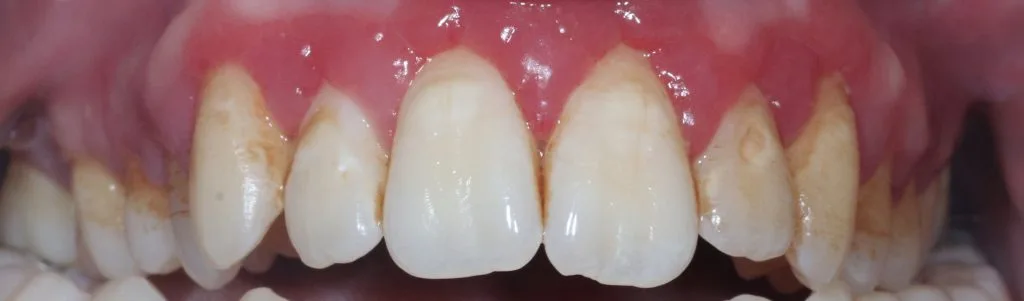
Periodontal Disease Only Affects Older People
Contrary to popular belief, periodontal disease can affect people of all ages. While it is more common in older adults, younger people can also develop the condition. Poor oral hygiene, smoking, diabetes, and certain medications can increase the risk of it at any age. Therefore, it is essential to maintain healthy teeth and gums from a young age to prevent this. At RW Perio, we provide supportive periodontal therapy, in which when active treatment is complete, supportive therapy maintains the health improvements achieved.
Brushing and Flossing Alone Can Be A Preventative
While brushing and flossing are essential for maintaining good oral hygiene, they are not enough to prevent the disease. Regular dental check-ups and professional cleanings by a periodontist are also necessary. A periodontist can detect the early signs and recommend appropriate treatment to prevent them from progressing.
Bleeding Gums Are Normal
Many people assume that bleeding gums are natural, particularly when brushing or flossing their teeth. Bleeding gums, on the other hand, are a sign of inflammation and can be an indication of this disease. As a result, if your gums bleed on a frequent basis, you should consult a periodontist. If you’re curious to know why your gums are persistently bleeding, read about it here – “What Your Bleeding Gums are Trying to Tell You”.
Periodontal Disease Only Affects Gums
The gums and the bone that holds the teeth in place are both affected by periodontal disease. If left untreated, it can lead to tooth loss as well as other major health issues like heart disease and diabetes. If you have any indications of these symptoms, it is critical that you seek treatment from a periodontist. Read our latest article on what you can do about your receding gums – “Is Gum Recession Reversible”.
Periodontal Treatment Is Painful and Expensive
Many people skip periodontal therapy because they believe it will be painful and costly. Periodontal therapy, however, is now more comfortable and affordable than ever before, thanks to contemporary periodontal treatment procedures. Postponing therapy may result in more extensive and costly treatment in the future. Why not try our Online Gum Health Check today?

Clearing up Misconceptions
Periodontal disease is a serious condition that can affect anyone at any age. Maintaining healthy teeth and gums, seeing a periodontist regularly, and seeking prompt treatment can help prevent this from progressing. If you have any questions about periodontal health or periodontal treatment, contact us for a specialist assessment here at RW Perio.
Find Out Whether You Need to See a Periodontist
Periodontal health is a crucial aspect of overall well-being, yet it’s often overlooked until issues become severe. A periodontist is a dental specialist focusing on the prevention, diagnosis, and treatment of periodontal disease, as well as the placement of dental implants. Maintaining healthy gums is essential not only for a beautiful smile but also for your general health. Here are ten signs that you might need to schedule a visit to a periodontist.
Bleeding Gums
One of the earliest and most common signs of periodontal disease is gum bleeding. Bleeding, especially when brushing or flossing, indicates that your gums are inflamed. This inflammation, known as gingivitis, can progress to more serious periodontal disease if left untreated. If you notice persistent bleeding, it’s time to seek professional help.
Persistent Bad Breath
Chronic bad breath, or halitosis, can be more than just an embarrassing inconvenience. It often stems from bacterial buildup in the mouth, which is a hallmark of periodontal disease. Unlike the temporary bad breath from foods like garlic or onions, persistent bad breath is a sign that bacteria are thriving below the gumline, causing infection and odour. If mouthwash and good oral hygiene aren’t enough to combat bad breath, a periodontist can help diagnose and treat the underlying cause.
Swollen or Red Gums
Healthy gums should be firm and pink. Swollen, red, or tender gums are a clear indication of inflammation, which can be an early sign of periodontal disease. This inflammation is your body’s response to bacterial infection in the gum tissue. If your gums appear puffy or red, especially along the gumline, it’s essential to seek professional evaluation to prevent further damage.
Loose Teeth
Gum disease affects the tissues that support your teeth, including the periodontal ligament and jawbone. As these structures deteriorate, teeth can become loose and may eventually fall out if the disease is not treated. Loose teeth are a serious sign that you need immediate periodontal care. Addressing the issue promptly can save your teeth and prevent further complications.
Receding Gums
Gum recession occurs when the gum tissue pulls back, exposing more of the tooth or its root. This condition can be a sign of advanced periodontal disease. Receding gums can cause sensitivity and increase the risk of cavities and tooth loss. Early signs of gum recession include longer-looking teeth or increased sensitivity. Visiting a periodontist can help identify the cause and prevent progression.
Pain While Chewing
Experiencing pain while chewing can be a signal of periodontal problems. While tooth decay can also cause chewing discomfort, periodontal disease often leads to pain due to inflammation, infection, or damage to the supporting structures of the teeth. Distinguishing between different types of dental pain is crucial, and a periodontist can diagnose and treat the specific cause of your discomfort.
Gum Pocket Formation
Gum pockets are spaces that form between the teeth and gums due to the detachment of the gum tissue from the teeth. These pockets can become deeper over time, trapping food particles and bacteria, which exacerbates the infection. Early detection and treatment of gum pockets are vital to prevent severe periodontal disease. Regular dental check-ups can help identify and manage this condition effectively.
Changes in Bite
Periodontal disease can alter the way your teeth fit together when you bite, chew, or speak. If you notice changes in your bite or the alignment of your teeth, it could be due to shifting caused by bone loss or gum disease. Such changes should not be ignored, as they can lead to more severe dental issues. A periodontist can assess these changes and provide appropriate treatment to stabilise your bite.
Sensitivity to Temperature
Increased sensitivity to hot or cold foods and beverages is another sign of gum issues. This sensitivity often results from exposed tooth roots due to receding gums or enamel loss. While sensitivity can also be caused by tooth decay, periodontal disease should be considered if it’s accompanied by other symptoms like gum recession or swelling. Consulting a periodontist can help determine the exact cause and appropriate treatment.
5 Tips for Maintaining Healthy Gums
Learn effective strategies to keep your gums healthy and prevent periodontal disease.
Conclusion
Recognising the signs of periodontal disease early can prevent severe dental problems and maintain your oral health. If you experience any of the symptoms mentioned above, it’s crucial to seek professional advice from a periodontist. Early intervention can save your teeth, improve your gum health, and enhance your overall well-being. Don’t wait until the problem becomes too severe—schedule a consultation with our periodontist today if you notice any of these signs.

Many of us were taught from a young age that good oral hygiene is crucial for a healthy smile. This meant brushing your teeth twice a day or more. But is there actually such a thing as brushing your teeth too much? Surprisingly, over-brushing can do more harm than good. Read on to learn about the top 5 risks of being overzealous with your toothbrush.
Extreme tooth brushing can lead to:
1. Tooth Wear
Brushing too aggressively or too frequently can actually wear away your tooth enamel over time. This enamel is the outer protective layer of your teeth. Once enamel wears away, the next layer of the tooth called dentin gets exposed. Dentin is much softer and more porous than enamel. This means it provides less protection against external substances that can irritate the inner tooth and cause pain. Dentin contains thousands of tiny tubules leading to the inner dental pulp that register hot, cold and pressure sensitivities. Without the enamel barrier, these sensitivities are heightened.
Loss of enamel also leaves teeth prone to cavities and tooth decay. Enamel has a crystalline structure that helps prevent bacteria from adhering to teeth. Without it, bacteria can start to penetrate into micro holes in the exposed dentin, raising your risk of cavities, tooth infections and decay. According to the British Dental Association, up to 30% of adults display signs of tooth wear caused by over brushing.
2. Gum Recession
Excessive brushing can also rub away at your gums, leading to gum recession. This is when your gums gradually pull away from your teeth, exposing more tooth surface and root. Receding gum puts you at greater risk for decay and increased sensitivity. About 8% of UK adults have some form of gum recession, reports the Adult Dental Health Survey.
Find out more: Is Gum Recession Reversible?
3. Sensitivity
Worn enamel and gum recession leave microscopic cracks and openings in your teeth for hot, cold, sweet, or acidic foods and liquids to penetrate. This leads to increased sensitivity and pain when eating and drinking. To help reduce sensitivity from worn enamel and receding gums, try using a sensitivity toothpaste containing ingredients like potassium nitrate or arginine to block pain transmission. Avoiding very hot or cold foods can also help, as can getting any cavities filled quickly before they reach the nerve.
4. Damaged Tooth Roots
The roots of your teeth lie below your gum line. Brushing too forcefully near the gums can actually scrub away the root surface material. This causes increased sensitivity and can open you up to infections.
5. Loss of Tooth Structure
Repeated aggressive brushing over time can cause your teeth to become loose, thin, or grooved. This overall loss of tooth structure not only damages aesthetics but can also lead to dental issues like decay, cracking, or the need for crowns or implants.
Read about: Gum Aesthetics 101: Everything You Need to Know About Achieving a Perfect Smile
Protect Your Smile From Too Much Tooth Brushing
The good news is that by adjusting your brushing habits, you can avoid the dangers of overbrushing. Be sure to use a soft-bristled toothbrush and brush gently using small, circular motions or better still use an electric toothbrush but only hold it on the tooth rather than moving it around (let it do the work for you). Opt for brushing just twice per day for two minutes each time. And see your dentist regularly, as they can catch early signs of wear and tear.
If you think you may be overbrushing, don’t wait. Give our periodontist in London a call today to discuss your oral health. We’re here to help you achieve better brushing habits and your healthiest smile.
Here is your 10 step guide on how to have healthy gums
Here are the key factors to achieving healthy gums:
- Brush your teeth twice a day (first thing in the morning and last thing at night) using an electric toothbrush, for at least 2 minutes each time.
- Cleaning in between your teeth at least once a day using interdental brushes or floss.
- Use of other adjuncts like a tongue scraper or mouthwash may be helpful.
- Don’t ignore any initial signs of gum disease such as bleeding gums and bad breath.
- Find out if anyone in your family such as siblings suffer from gum/periodontal disease and be extra vigilant if they do as it can run in families.
- Go for regular gum screens with your dentist/hygienist so if gum disease does develop it can be picked up early.
- Have regular (3-6 monthly) professional cleaning with your hygienist.
- Ensure you’ve had a general health screen as conditions such as diabetes can have a significant influence on the health of the gums.
- Eat well to include a balanced diet of fruit and vegetables.
- Don’t embark on any other complicated treatment e.g. braces or dental implants, until your gums are healthy.
For more information on healthy gums, gum disease, dental and articles, make sure to read our other blogs.
More information on periodontal can be found on the British Society of Periodontology and Implant dentistry website.
Can gum disease affect my general health?
The simple answer is yes, gum disease can affect your general health. The mouth is connected with the rest of the body. It is the doorway to the body, rather than a separate organ, and is the access point for bacteria to enter the bloodstream via the gums.
There are particularly strong associations between diabetes and heart disease. When considering diabetes, not only does gum disease have an effect on diabetic control, but it also increases the risk of diabetes in healthy individuals.
The good news is that treating gum/periodontal disease may have a positive impact on general health. So don’t ignore the signs of gum disease and take the necessary steps to ensure healthy gums. Remember, healthy gums = healthy body.
For more information on gum health, disease, dental, and articles, make sure to read our other blogs.
More information on periodontal can be found on the British Society of Periodontology and Implant dentistry website.

Can gum/periodontal disease treatment make a difference to my life?
Gum/periodontal disease can have a negative impact on your quality of life. For example, bad breath may affect your confidence to get close to someone, loose teeth may affect your ability to eat hard foods, tooth loss may affect your nutritional status and the teeth may change position leading to an unattractive smile.
Treating gum/periodontal condition will make a difference to the quality of your life and daily functions. If the condition is treated, you would not have to worry about bad breath, you could eat the foods you like and future tooth loss is prevented. Even individuals who initially don’t have any major symptoms from the condition often say that their mouth feels healthier and they feel better in themselves.
Make sure to read our other blogs to keep a check on your gums. Or contact us if you have any questions or feedback, or would like to book an appointment.
How well does gum/periodontal disease treatment work?
Gum/periodontal disease treatment works really well!
It’s not all doom and gloom when it comes to gum disease. The treatment for the condition is highly predictive and works very well. Of course, the earlier it’s treated the more predictable it is. The first line of treatment is usually ‘non-surgical debridement, which involves disinfecting the gum pockets, allowing them to heal and close up. Even for very advanced cases, there are many options to get the condition under control and ensure the mouth is healthy again.
Although gum/periodontal condition can’t be cured, it can be stabilised. Once it has been stabilised, life-long maintenance of health is simple.
Check out our other blogs if you want to learn more about your dental care. Or contact us if you have any questions or feedback, or would like to book an appointment.
Why are my gums bleeding during pregnancy?
Pregnancy changes your body and that includes your gums too! This means you are more at risk of gum disease and may experience signs of this such as bleeding gums. These signs should not be ignored, as gum disease treatment is safe, effective, and important during pregnancy. Pregnant women should be aware that dental X-rays can be undertaken and local anaesthesia can be delivered without additional risk either to the mother or the foetus. In fact, the risks of no treatment are much higher.
Even without any of the symptoms, if you’re pregnant, it’s always a good idea to get a gum screen and take the necessary precautions to prevent gum disease.
Check out our other articles if you want to learn more about your dental care. Or contact us if you have any questions or feedback, or would like to book an appointment.
Does gum disease run in families?
Genetics and underlying susceptibility play a big role in determining whether you suffer from gum/periodontal condition. Although the plaque/bacteria are the initial cause, your genetic makeup affects how you react to that plaque. For example, your response may be exaggerated if you are genetically more susceptible. Especially if you are young, have a severe disease, and have no other risk factors, this may be the central reason as to why you have developed the disease.
Even if gum disease runs in your family, it doesn’t mean the treatment won’t be successful. In fact, treatment for this is generally highly predictable.
Does my diet affect my gums?
Nutrition and diet have a role in gum/periodontal problems. An imbalance or deficiencies can increase the risk and severity of periodontal disease by affecting the body’s resistance and potential for repair.
Therefore, it’s important to have a healthy intake of fibre, fruit and vegetables and reduce the level of refined sugars to prevent dental disease and improve general health.
Can you cure gum/periodontal disease?
You can never really ‘cure’ gum/periodontal condition but you can treat and stabilise it. Once treated and the gums are healthy, you need to ensure life-long regular maintenance at home and with your hygienist to ensure you minimise any chances of relapse.
Check out our other articles if you want to learn more about your dental care. Or contact us if you have any questions, or feedback, or would like to book an appointment.
What if I leave my gums untreated?
If your gum/periodontal condition is left untreated, this can result in your teeth loosening up and eventual tooth loss. Other associated symptoms may also start to develop including bleeding gums, gum boils, bad breath, bad taste and painful gums/teeth.
You may get very few symptoms until it is advanced so it is important to catch it early, as it’s a preventable and treatable condition.
Are lasers needed to treat my gum?
The simple answer to the question above is no.
Laser is an acronym for Light Amplification by Stimulated Emission of Radiation. The evidence base for using lasers in the treatment of periodontal/gum problems is unclear. However, what we do know is that they do not have any additional advantages over conventional treatment.
Conventional therapy has been used predictably for many decades and often those who use lasers will charge you more for the treatment, but the outcome will be the same as that for conventional therapy. So further well-designed studies are required before the widespread use of lasers in periodontology can be advocated.
If I have gum disease is it safe to have dental implants?
Dental implants have become a popular choice for replacing missing teeth. Implants are manufactured from titanium and can support crowns, bridges or dentures.
For patients with advanced gum/periodontal problems, it is often tempting to want to replace loose teeth with implants. The first thing to remember is that nothing beats your own tooth! So wherever you can, you should always try and save your natural tooth, even if it is loose.
Check out our other articles if you want to learn more about your dental care. Or contact us if you have any questions or feedback, or would like to book an appointment. Follow us on Instagram to get updated on our latest treatments!
- Why are my gums receding?
- What can I do about receding gums?
- What can I do about my gummy smile?
- When is crown lengthening necessary?
Why are my gums receding?
Gum recession happens when the gum tissue has receded and lowers its position on the tooth, exposing the roots of the teeth.
You may be at more risk of recession depending on the position of your teeth in the jaw as well as the thickness of your gum and bone. The recession itself may be caused by plaque, overly aggressive brushing or trauma from e.g. lip/tongue piercings.
Gum recession needs attention and the first step is to consult your dentist or a gum expert on whether further measures need to be taken to stop or correct the recession.

What can I do about receding gums?
If you are only mildly affected by receding gums, that’s great! Catching it early means that it may just be a case of monitoring it. However, either way, the cause of the recession must be established and corrected. This may involve a modification of your brushing technique or gum disease treatment.
If further treatment is required, the one recommended will depend on the aims of the treatment. The most common treatment is the free gingival graft, which involves taking a small piece of tissue from the roof of your mouth (palate) and applying it as a graft to an area that is deficient. This thickens the gums, helps facilitate oral hygiene, and helps prevent further recession. This is often used for lower front teeth.
If aesthetics are of concern, then the gum is often moved to cover the recession. This may or may not be combined with a gum graft, depending on the thickness of the existing gum. Advances in the application of microsurgical techniques have led to improved success, less post-operative discomfort, and reduced healing times.
What can I do about my gummy smile?
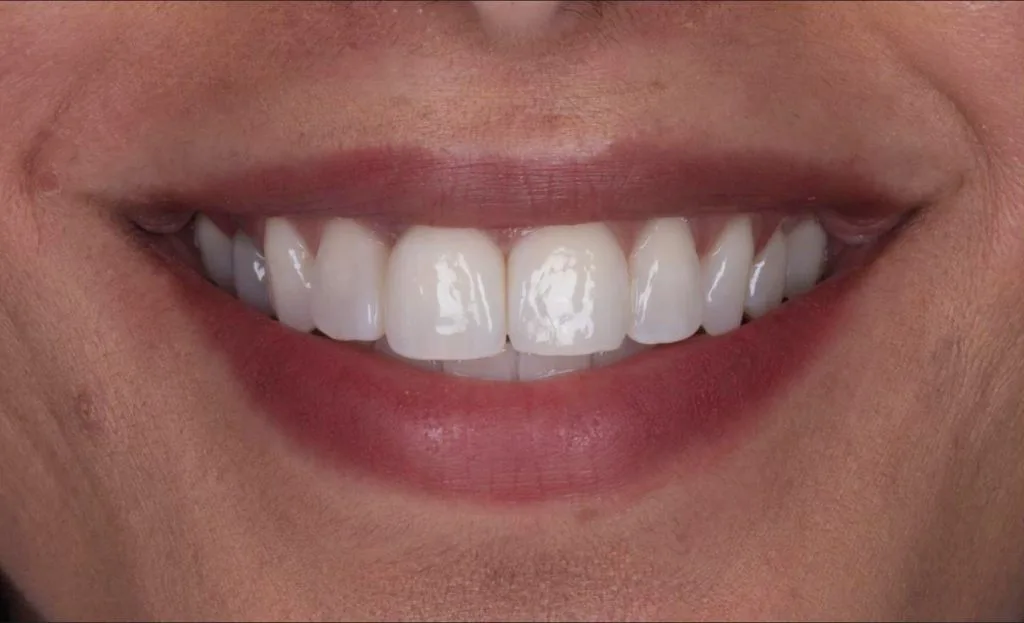
A gummy smile describes excessive gum display when smiling. The teeth can also look smaller than their expected size. It is not uncommon and shouldn’t be ignored, especially if it affects your self-confidence and happiness.
There are many reasons for a gummy smile, but it is largely due to the way your teeth, gums, and jaw have developed.
A gummy smile can be treated using a ‘gum lift’ or crown lengthening procedure. This lengthens your teeth and reduces the amount of gum on show, thereby improving your smile.
This procedure is also suitable for teeth that are extensively broken down and require a more sound tooth structure above the gum line to allow for a restoration/crown to be placed.
When is crown lengthening necessary?
Occasionally, there is not enough tooth surface above the gum line to support a crown; this is when crown lengthening is necessary.
Crown lengthening removes gum and bone tissues, exposing more of the tooth to allow room for the new crown. Crown lengthening is sometimes also a cosmetic procedure option for patients with a “gummy smile,” which means you have too much gum tissue around your teeth.
Check out our other articles if you want to learn more about your dental care. Or contact us if you have any questions or feedback, or would like to book an appointment.